

When Diabetes Meets the Kidneys: How High Blood Sugar Silently Damages Renal Health – What You Must Know
Every year on World Diabetes Day, we are reminded that diabetes is more than just a blood sugar problem — it’s a condition that can quietly affect almost every organ in the body, including the kidneys. At Dhameliya Kidney Hospital & Lithotripsy Centre, Surat, we often see how prolonged, uncontrolled diabetes can gradually harm kidney function long before any symptoms appear.
This article aims to raise awareness about how diabetes affects kidney health, why early detection is so crucial, and what simple steps can help prevent long-term kidney damage.
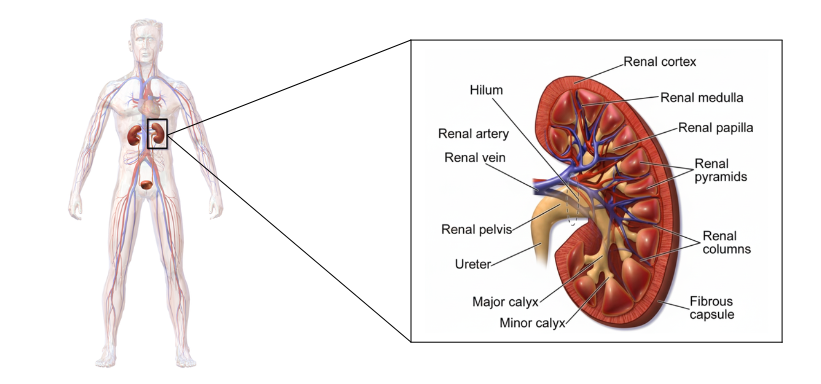
Image generated by open source for illustrative purposes.
Understanding Your Kidneys and Their Role
The kidneys are two bean-shaped organs located on either side of the spine, just below the rib cage. Their main functions include:
- Filtering waste and excess fluid from the blood
- Regulating blood pressure and maintaining electrolyte balance
- Producing hormones that help with red blood cell formation
- Keeping the body’s internal environment stable
Each kidney contains nearly a million tiny filtering units called nephrons, which purify blood and return essential substances to circulation. When these nephrons are damaged, waste and fluid start to build up in the body — leading to serious health complications.
Diabetes may begin with sugar, but its impact reaches far beyond. Protecting your kidneys starts with awareness, not symptoms.
Dr. Devangi Devani – Quote
How Diabetes Affects the Kidneys
When blood sugar levels remain high for a long time, it triggers a series of harmful changes in the kidneys:
- Damage to the tiny blood vessels
Elevated glucose levels injure the delicate capillaries inside the filtering units (glomeruli), making them thick and leaky. - Increased pressure and overwork (hyperfiltration)
The kidneys try to filter more blood to compensate for damage. Over time, this “extra work” causes further strain and leakage of proteins into urine (microalbuminuria). - High blood pressure and kidney stress
Diabetes and hypertension often go hand in hand. High pressure inside blood vessels accelerates kidney damage. - Silent progression over years
Kidney damage due to diabetes usually develops slowly — often without symptoms for many years. By the time signs appear, significant damage may have already occurred.
Why This Matters
Research shows that 1 in 3 adults with diabetes may have some form of kidney involvement.
The most challenging part? Early-stage kidney damage doesn’t cause pain or visible symptoms. This is why regular health check-ups are essential for people living with diabetes — early detection means better prevention and long-term protection.
Common Signs to Watch Out For
Even though early kidney disease is silent, the following signs may indicate kidney involvement:
- Foamy or bubbly urine (protein in urine)
- Swelling in feet, ankles, or hands
- Unexplained fatigue or shortness of breath
- Nausea or reduced appetite
- High blood pressure that’s difficult to control
If any of these symptoms occur, it’s important to discuss them with your healthcare provider.
How to Protect Your Kidneys If You Have Diabetes
Here are a few preventive steps that can help you safeguard your kidneys and overall health:
Keep your blood sugar under control
Maintain your HbA1c within the range advised by your doctor. Consistent blood sugar control is the best protection against kidney damage.
(Source: NIDDK)Monitor and manage blood pressure
High blood pressure adds strain to kidney filters. Follow your doctor’s advice for maintaining a healthy BP range.Get regular kidney check-ups
A simple urine microalbumin test and blood creatinine test can detect early signs of kidney strain.Adopt a kidney-friendly lifestyle
– Stay hydrated
– Eat a balanced, low-salt diet
– Avoid processed foods and smoking
– Exercise regularly
– Limit alcoholMedication awareness
Always take medicines as prescribed and avoid unnecessary painkillers (NSAIDs), as they may stress the kidneys when used long-term.
Final Thoughts
Diabetes may be lifelong, but kidney damage from diabetes is not inevitable.
Awareness, routine monitoring, and a healthy lifestyle can significantly reduce the risk. This World Diabetes Day, take a moment to understand how your daily habits influence kidney health — because prevention always begins with awareness.