
World Haemophilia Day: What You Should Know About This Bleeding Disorder
Every year on 17 April, the world observes World Haemophilia Day. The purpose is simple. Help people understand bleeding disorders and act early.
Many people in India still do not know about haemophilia. Some ignore symptoms. Some reach hospitals very late. This delay can lead to serious joint damage or life-threatening bleeding.
This guide explains the condition in clear terms. It helps you identify early signs and take the right steps.
What is Haemophilia?
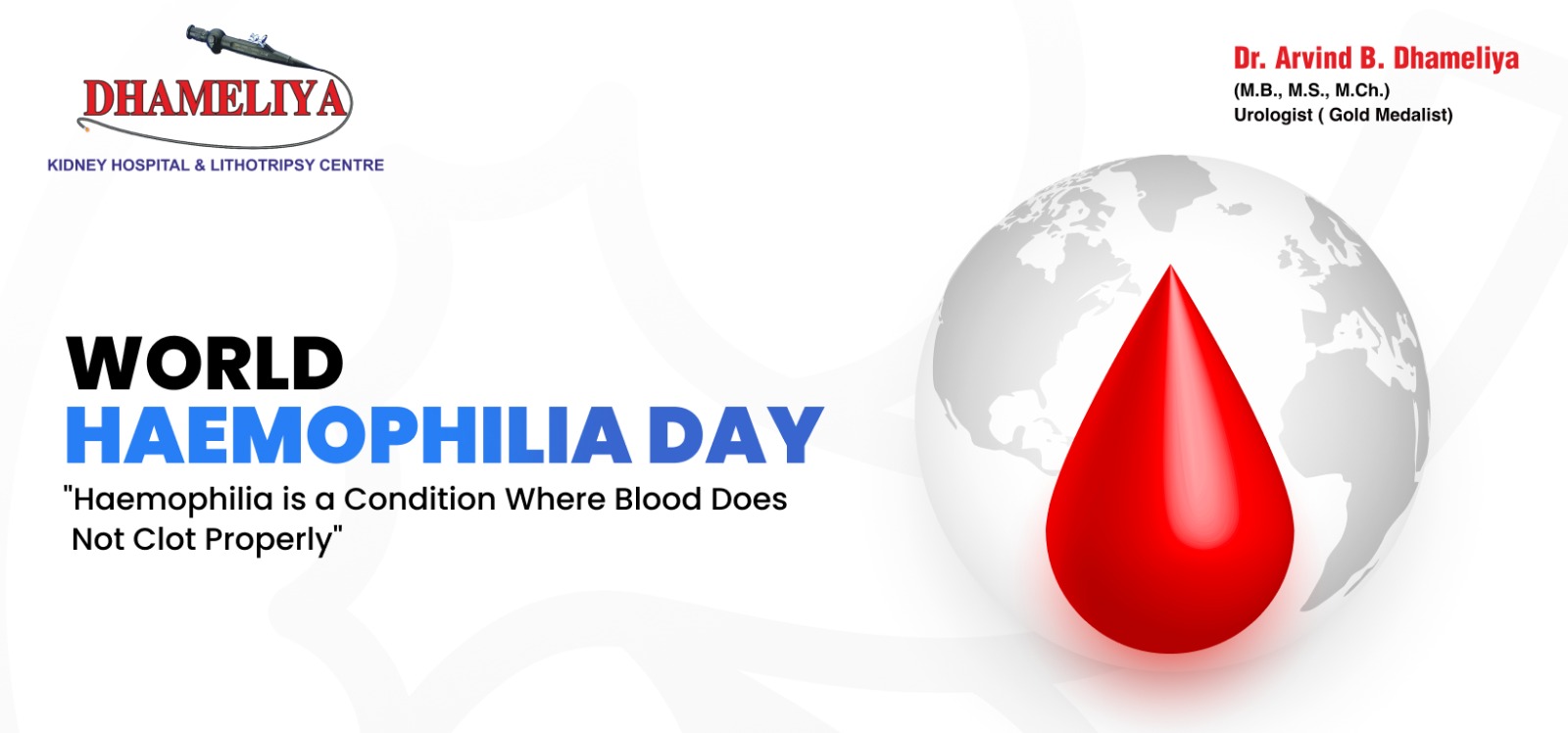
Haemophilia is a condition where your blood does not clot properly.
When you get a cut, your body forms a clot to stop bleeding. This process needs proteins called clotting factors. In haemophilia, these factors are missing or very low.
There are two main types:
- Haemophilia A
Factor VIII is low - Haemophilia B
Factor IX is low
It usually affects males. Females often carry the gene and may have mild symptoms.
How Does It Affect Daily Life?
Haemophilia is not just about cuts or wounds. The bigger risk is internal bleeding.
This can happen in:
- Knees
- Elbows
- Ankles
Repeated bleeding in joints can cause:
- Long-term pain
- Stiffness
- Difficulty in movement
In severe cases, bleeding can also happen inside the brain or abdomen. This needs urgent medical care.
Common Symptoms You Should Not Ignore
Symptoms can start in childhood or later, depending on severity.
Watch for these signs:
- Bleeding that takes a long time to stop
- Frequent nosebleeds
- Bruises without clear reason
- Swelling and pain in joints
- Bleeding after dental work
- Blood in urine or stool
In small children, you may notice swelling after minor falls.
What Causes Haemophilia?
The cause is genetic.
- It is passed from parents to children
- Sometimes it appears without family history
- Severity depends on how low the clotting factor is
This is not an infection. It does not spread from one person to another.
Why Early Diagnosis Matters
Many people ignore early symptoms. This leads to repeated joint damage.
Early diagnosis helps you:
- Start treatment on time
- Prevent joint disability
- Avoid emergency situations
- Plan safe lifestyle choices
A simple blood test can confirm the condition.
How is Haemophilia Managed?
There is no permanent cure yet. But treatment today is effective.
The main treatment is:
- Clotting factor replacement therapy
This helps the blood clot normally during bleeding episodes.
Other care includes:
- Regular monitoring
- Managing joint health
- Pain control when needed
With proper care, many patients live active lives.
What You Should Do
If you or someone in your family has haemophilia:
- Stay in regular contact with a doctor
- Inform healthcare providers before any procedure
- Keep emergency details ready
- Choose safe physical activity
- Maintain good dental hygiene
These steps reduce the risk of sudden complications.
What You Should Avoid
Certain habits can increase risk.
Avoid:
- Contact sports like boxing or football
- Medicines like aspirin without medical advice
- Ignoring joint pain or swelling
- Delaying treatment during bleeding
Quick action makes a big difference.
The Role of Awareness
Awareness is still low in many parts of India.
People often think:
- Bleeding is normal
- Bruising is not serious
This leads to delay in diagnosis.
Healthcare providers can help by:
- Sharing correct information
- Guiding patients to specialists
- Encouraging early testing
Even if a hospital does not treat haemophilia directly, it can still guide patients in the right direction.
In cities like Surat, increasing awareness about bleeding disorders can help patients get early diagnosis and proper care.
Frequently Asked Questions
Can haemophilia be cured?
Is it safe to live a normal life?
Is it contagious?
Can women have haemophilia?
When should I see a doctor?
Conclusion
World Haemophilia Day is a reminder to act early and stay informed.
Right knowledge helps prevent serious complications.
If you notice any symptoms, do not ignore them. Early diagnosis and proper care can protect your long-term health.